 Septic Tank Solutions
Septic Tank
Signs Your Septic Tank Needs Pumping
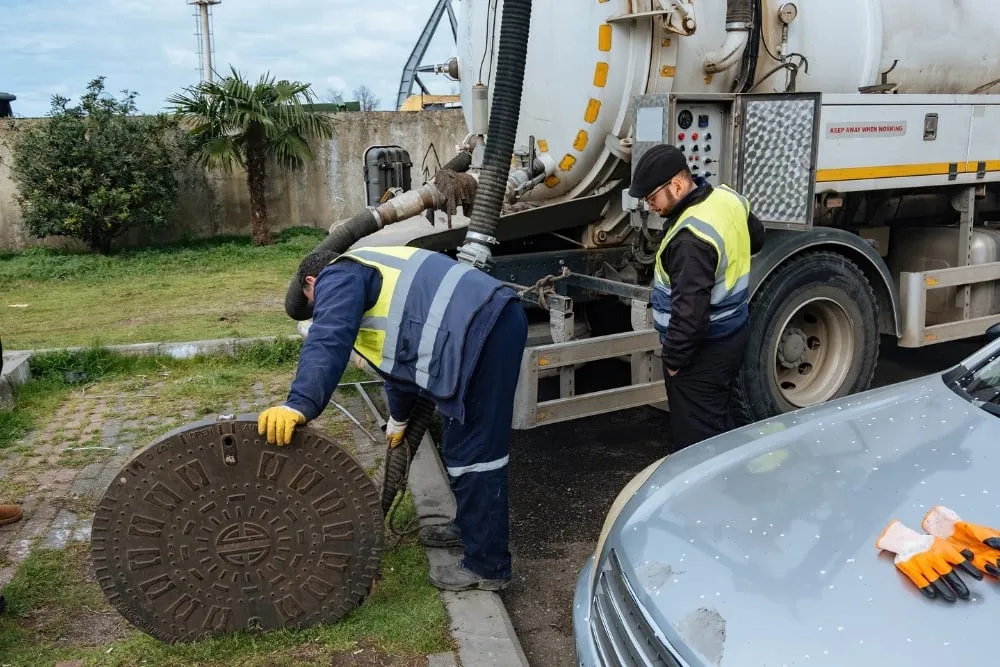
Septic systems are designed to handle waste from toilets, showers, and sinks. When functioning properly, they move liquid waste into a drain field and store solids inside a tank. Over time, these solids build up and require removal. If not addressed, the system can become blocked, leading to internal overflows or surface contamination.
Early indicators of a full tank include gurgling sounds from pipes, slow drainage, unpleasant odours, or wet areas near the drain field. These signs usually mean solids have reached a level where they interfere with the system’s flow. If the tank is not pumped, waste may enter parts of the system that are not built to handle solids.
Leaving the tank full for too long increases the risk of pipe blockages, drain field failure, and costly repairs. Pumping removes accumulated sludge and helps maintain system function.
This article explains the most common signs that a septic tank needs servicing. It also covers what happens during a pump-out and how to prevent system issues through maintenance and inspections.
What Happens When You Delay a Pump-Out
Delaying a septic tank pump-out allows solid waste to accumulate and harden at the bottom of the tank. While liquid waste moves into the drain field, the solids form a layer of sludge that continues to rise. If this sludge is not removed, it can block internal components and reduce the flow of wastewater through the system.
Once solids start to enter the drain field, they can clog the pipes and prevent proper filtration. This leads to surface pooling, slow drainage inside the home, and the presence of untreated waste near the property. It also increases the risk of contamination and exposure to harmful bacteria.
Common symptoms of a full tank include:
- Odours near sinks or outside the home
- Sinks and showers draining slowly
- Toilets that flush poorly or back up
- Soft or wet areas in the yard above the tank or field
Leaving these issues untreated may result in drain field failure or system replacement. These repairs often require excavation and can exceed standard maintenance costs by a large margin.
Why Waiting Makes It Worse
Postponing septic tank servicing allows the sludge layer to become more compacted. As this layer thickens, it takes up more space in the tank and leaves less room for wastewater. This increases the chance of overflow, backflow, or system pressure that can damage pipes and internal components.
If solids push into the drain field, the system’s filtration process breaks down. The drain field may become blocked, leading to water pooling at the surface or backing up into household plumbing. The longer the tank is left unserviced, the higher the likelihood that replacement of parts, or the entire system, will be required.
Issues that can result from delayed pumping include:
- Solids reaching and blocking the drain field
- Toilets and sinks backing up
- Contaminated wastewater surfacing in outdoor areas
- Full system failure requiring excavation and replacement
Septic tank replacement and field reconstruction involve high labour and material costs. In most cases, these outcomes can be avoided by maintaining appropriate pump-out intervals.
Clear Signs Your Septic Tank Needs Pumping
A full septic tank often shows clear physical signs before it leads to system damage. Identifying these early can help reduce repair costs and prevent health risks. Indicators may appear inside the home or around the drain field.
Common signs to watch for include:
- Water in sinks, showers or tubs draining slower than normal
- Persistent sewage smells indoors or near the tank area
- Gurgling noises from pipes when flushing or running taps
- Wet patches or standing water above the drain field
- Toilets backing up during or after flushing
These signs usually point to a buildup of solids that interferes with flow and storage. If the tank is not pumped, solids can reach the drain field and reduce its ability to manage wastewater. Addressing issues early helps protect both the system and the surrounding property.
How Often Should You Pump Your Septic Tank
Pump-out frequency depends on household size, water usage, and tank capacity. Larger households or properties with small tanks will require more frequent servicing. Usage patterns also influence build-up rates. Homes that use garbage disposals or run multiple appliances daily may see faster accumulation of solids.
Estimated timeframes for servicing:
- One to two people every five years
- Three to four people every three to four years
- Five or more people every two to three years
These figures are general. A technician can measure sludge and scum levels to provide an accurate servicing schedule. This is done by opening the tank and using a calibrated tool to assess depth.
Infrequent pump-outs increase the risk of solids reaching the drain field. Once solids enter these pipes, full replacement may be required. Monitoring household water use and booking inspections help prevent system overload.
For properties in the Central Coast region, septic tank cleaning Central Coast offers site checks to confirm tank condition and advise on next steps.
What a Pump-Out Involves
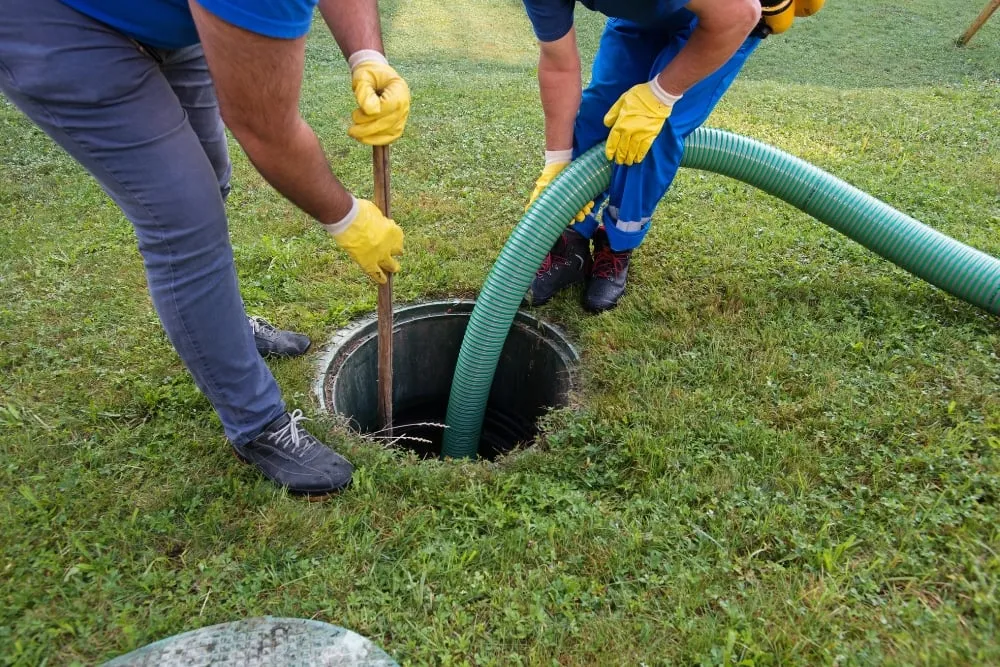
A septic pump-out removes built-up sludge and liquid waste from the tank to restore normal system function. The process is handled by a licensed technician using a vacuum truck and tools to assess tank condition.
Steps during a standard pump-out include:
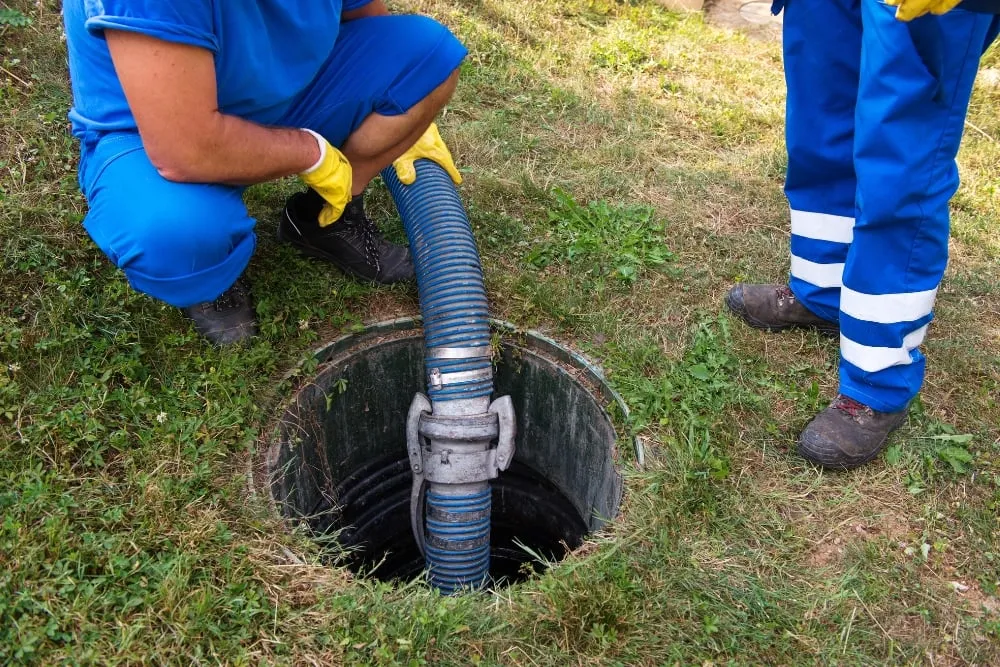
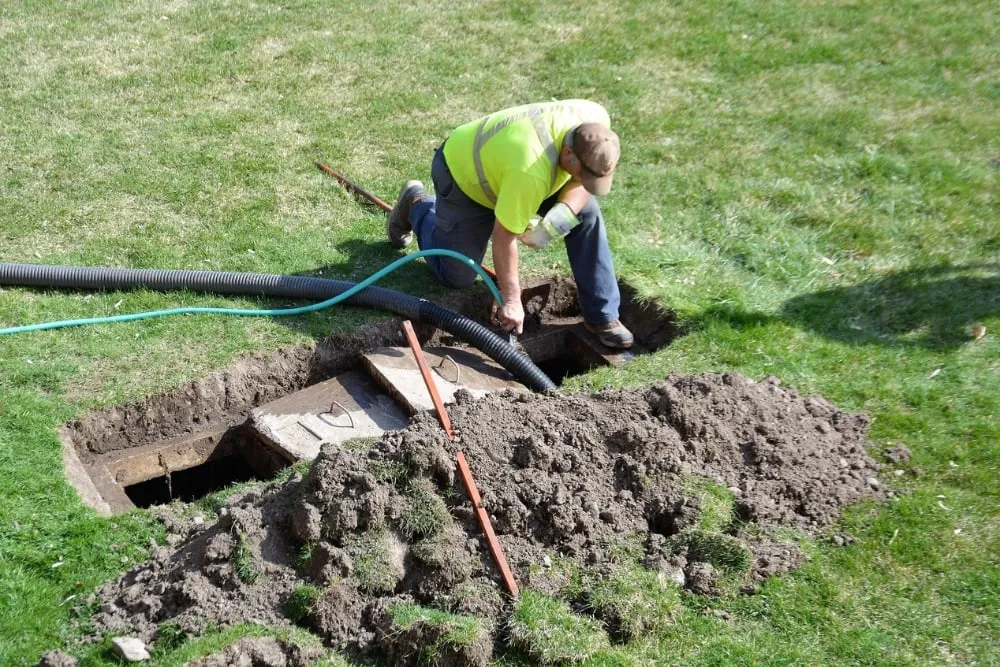
- Exposing the access cover of the tank
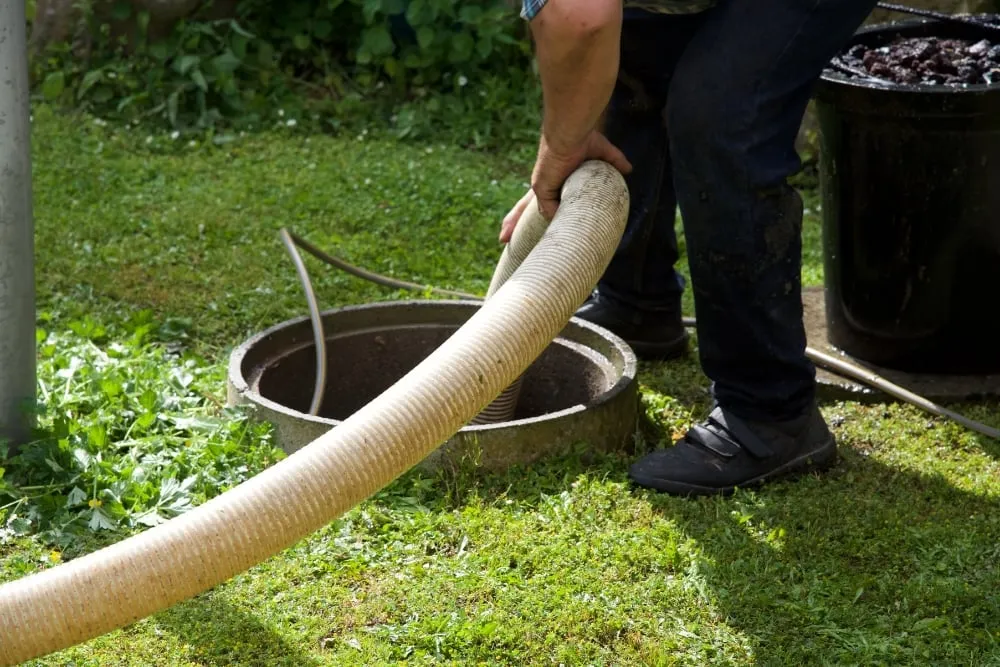
- Removing waste using a vacuum hose connected to a tanker
- Inspecting for signs of damage such as cracks or deteriorated components
- Advising on maintenance intervals based on current sludge level
The process usually takes between one and two hours, depending on tank size and access conditions. Technicians may also clean filters or check baffles if needed. After the pump-out, the system will drain more efficiently and reduce the chance of overflow.
This service is required before the tank reaches full capacity. Relying only on visible symptoms increases the chance of system damage. Scheduled pump-outs reduce the risk of field blockage and help keep wastewater flow consistent.
How to Avoid Septic Issues in the Future
Preventive maintenance reduces the risk of system failure between pump-outs. In addition to scheduled servicing, consistent habits can limit the build-up of solids and reduce stress on the system.
Helpful practices include:
- Avoid flushing wipes, hygiene products or paper items that do not break down
- Do not pour bleach or harsh cleaning chemicals into sinks or toilets
- Install strainers in kitchen sinks to catch food particles and grease
- Spread out water use throughout the day to prevent overload
- Book an annual inspection even if a pump-out is not yet required
These steps help maintain healthy bacteria levels and keep wastewater flowing without disruption. Ignoring early signs or overloading the system shortens the lifespan of both the tank and the drain field.